
The drop hits exactly how you imagined it would, with lights cutting through the crowd and bass landing with precision. You look around and everyone moves together, locked into the same rhythm, completely present in the moment. This is the set you planned your entire night around, the one you told your friends about all week. You reach for your phone to capture it, expecting the familiar weight in your pocket. It is not there.
At first, you assume it shifted or slipped into another pocket during the last transition between stages. You check again, slower this time, then faster, as the realization begins to creep in. The music continues, but your focus disappears completely. You step out of the crowd and check everything again, trying to stay calm while retracing your steps mentally. The realization builds gradually instead of hitting instantly, and that makes it worse.
Your phone is gone.
What follows does not feel like a minor inconvenience anymore, because everything you need is tied to that single device. Your ticket sits inside your phone. Your payment apps are locked behind it, so even buying water becomes complicated. Messages from your friends exist somewhere you cannot access, leaving you disconnected in a crowd that suddenly feels unfamiliar. Getting home becomes another problem entirely, since your ride apps, hotel details, and maps all live inside that missing device. The music is still playing around you, but you are no longer part of the experience.
From Festival Problem to Daily Reality
Moments like this used to feel isolated within festivals as huge as EDC and Ultra or in intimate club nights. But they now reflect a wider shift in how people live and move. The same conditions exist across airports, metro stations, nightlife districts, and crowded urban streets where distraction becomes inevitable. Festivals simply made the problem visible first, exposing how quickly things can go wrong in dense environments.
ClutchLoop was originally built within that exact context after both founders experienced phone theft during festivals themselves. The first version addressed a simple need by keeping your phone physically attached to your body. The rave community adopted it quickly because the problem was common and the solution was immediate.
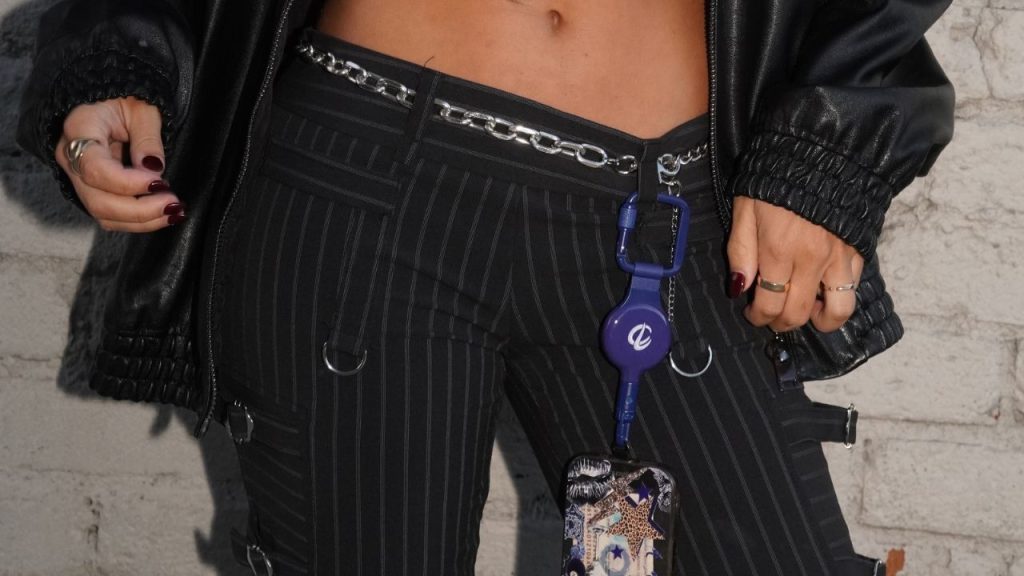
Over time, the situation evolved as phones became central to everyday function rather than optional tools. Arron explained this transition clearly: “ClutchLoop 2 isn’t just a product upgrade, it’s a shift in what we’re building as a brand. We’re moving from solving a festival problem to solving a daily-life problem.” The problem itself did not change, but the consequences became far more significant as reliance on mobile devices increased.
ClutchLoop 2 and the Shift Toward Everyday Protection
ClutchLoop 2 reflects how much more people depend on constant access, especially in environments where movement and distraction overlap. The updated version introduces a stronger retractable steel cable designed for consistent use across different settings. It moves beyond festivals and adapts to travel, commuting, and crowded urban environments where security becomes part of routine behavior. The design now features a clean, monochromatic finish that integrates easily into everyday outfits without drawing unnecessary attention.
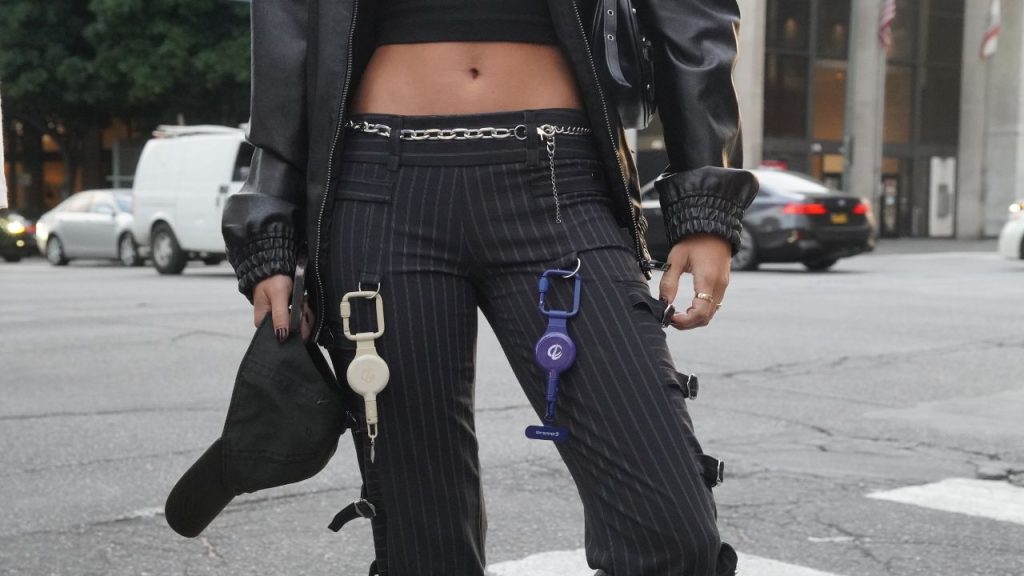
The system has also been reinforced to improve reliability during movement. An improved anchor system provides a more secure hold, while a metal anchor adds durability under pressure. A strong magnetic connection keeps the phone stable, reducing accidental drops during high-energy situations. These upgrades reflect a broader shift in how the product is positioned within daily life. Arron puts it directly when defining this evolution. “We don’t see ClutchLoop as an accessory anymore. It’s becoming personal safety gear for modern life.“
Designing Around How People Actually Live
ClutchLoop 2 is built around the understanding that losing a phone today creates immediate disruption across multiple aspects of life. Jose explains: “Your phone holds your tickets, your money, your ID, your memories. Losing it can instantly ruin your day. We design for peace of mind.” That statement reflects how much access is now concentrated within a single device, especially in environments like festivals where everything is digital.
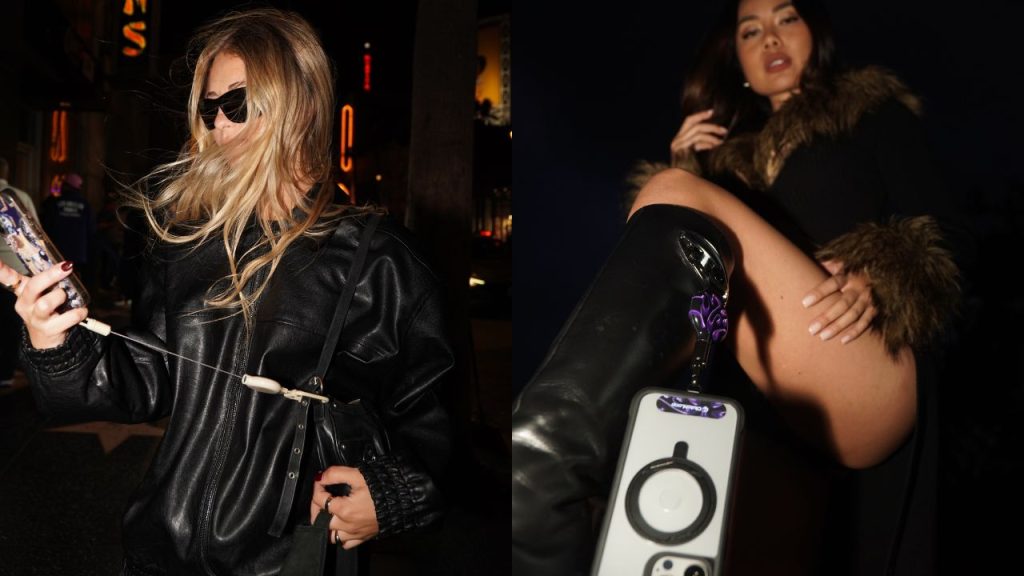
Events rely on mobile tickets, travel depends on confirmations stored in apps, and payments happen through digital wallets. When that system disappears, even temporarily, it interrupts everything at once. ClutchLoop 2 focuses on preventing that moment entirely by reducing the risk before it happens. It removes the need for constant checking and creates a sense of control in spaces where attention is constantly shifting.
ClutchLoop 2 Solves A Problem That Started on the Dancefloor
ClutchLoop began as a direct response to a shared frustration within festival crowds, where phone theft was common but rarely discussed openly. The product gained traction because it solved a clear problem in a simple way, and the community trusted it quickly. ClutchLoop 2 represents the next stage of that evolution as the same issue extends beyond festivals into everyday life. The need for protection now follows the same audience through cities, travel, and daily routines where similar risks exist.
That shift makes the original problem feel much larger than it once did. Losing your phone is no longer just about replacing a device or recovering contacts. It means losing access to systems that control how you move, pay, and communicate. That moment, standing in a crowd while realizing your phone is gone, changes how you approach the rest of the night. It is no longer something people want to experience even once.
ClutchLoop 2 is built around avoiding that exact scenario before it ever happens. Shop here.